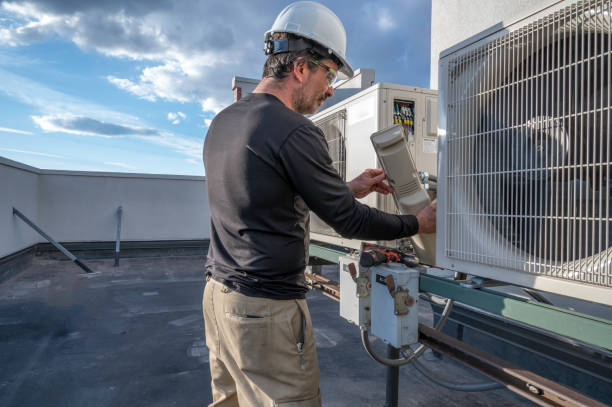
Thermodynamic Infrastructure Management & Air Distribution Guidelines
Standard home cooling machinery depends heavily on balanced chemical pressure states. If dust particles, wiring failure, or mechanical friction disrupt this equilibrium, the cooling system works much harder. This drives up local energy use and risks permanent compressor damage. Professional engineering management keeps these vital home assets working smoothly.
1. Accelerated Emergency Component Auditing & Hardware Remediation
When unexpected hardware shutdowns occur during extreme heat spikes, our emergency dispatch units respond fast. Our specialized service trucks arrive fully prepared with genuine replacement parts—including heavy-duty capacitors, contactor relays, variable fan motors, and control boards. This complete asset preparation ensures our field teams can eliminate system short-cycling instantly on their very first visit.
2. Maximizing System Efficiency via Mechanical Dust Cleanliness
Airflow blockages from packed, old intake filters place heavy physical strain on fan motor shafts, forcing the system to pull more current and driving up home energy bills. Zoom Clear Air Systems carries out deep cleaning routines, using eco-safe formulas to power-wash external condenser coils, sanitize internal evaporator assemblies, and clear blocked drainage channels to protect your indoor air clarity.
3. Closed-Loop Pressure Recharging & Precision Crack Isolation
Operating central cooling units below manufacturer-specified refrigerant levels severely wears down internal compressor mechanics. Our field teams utilize advanced electronic sniffer tools to locate small physical fractures along copper lines. Once found, we patch the leak, run deep system vacuums, and precisely recharge factory compounds back to balance specifications.
4. Low-Voltage Controls & Electronic Signal Alignment
Low-voltage electronic lines act as the primary brain network for modern central cooling units. Small amounts of corrosion or wiring wear can misalign your smart thermostat signals, leading to erratic runtime behaviors. Our technicians map out control loops, test terminal connections, and calibrate your digital controls to ensure your home environment stays perfectly comfortable.